
The Hidden Poison in Your Soil: How Chlorine in Common Fertilizers Destroys Your Investment, and What Is the Solution?
Introduction
Modern agriculture isn’t just about adding nutrients to the soil; it’s about protecting your greatest asset: the “soil”. Many farmers are unknowingly introducing a hidden poison to their fields by using low-cost, chlorine-based fertilizers. This seemingly harmless element can accumulate over time, destroying the soil structure and the plant’s absorption capabilities. This article is a wake-up call for farmers who are witnessing a gradual decline in crop quality and increasing soil salinity. We will show you how chlorine destroys your investment and what the definitive solution is to eliminate this threat.
What exactly is Chlorine (Cl) and why is it in cheap fertilizers?
Chlorine is an essential element for plants, but only in very, very minute quantities. The problem begins when this element is introduced into the soil in massive amounts through fertilizers like “Potassium Chloride” (KCl). The main reason for the widespread use of these types of fertilizers is their much lower cost compared to more advanced options like potassium sulfate. In reality, many fertilizer producers choose the cheaper source of potassium without paying attention to the long-term destructive effects of the accompanying “chloride ion.” This short-term economic choice can turn into a long-term environmental and economic disaster for the farmer. Understanding this difference is the first step toward making an informed choice and clarifies why one should not be deceived by a lower price.
The devastating effects of chlorine on roots, microorganisms, and water absorption
Chloride ions (Cl⁻) in high concentrations have a direct toxic effect on the plant, causing tip and marginal burn on the leaves. But the greater danger lies beneath the soil. Chlorine is highly water-absorbent and drastically increases the soil’s osmotic potential; this means the plant must expend much more energy to absorb water and suffers from “physiological drought,” even if the surrounding soil is completely moist. Furthermore, chlorine acts like a strong disinfectant, destroying the population of beneficial soil microorganisms that are essential for decomposing organic matter and making vital elements available. This means the gradual death of the soil and a severe reduction in the root’s ability to absorb other critical nutrients.
Soil Salinization and Yield Reduction: The Cost You Don’t See
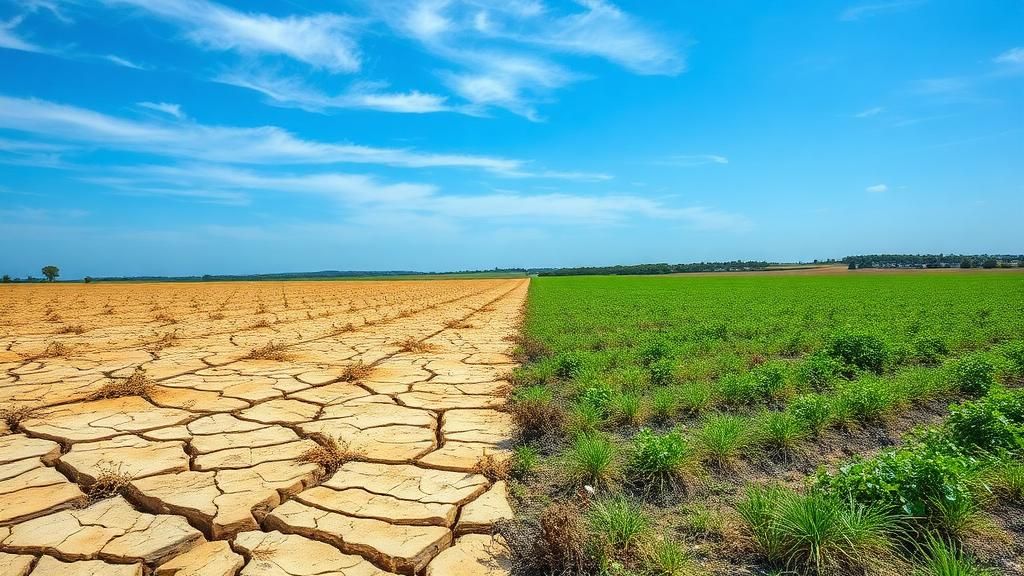
One of the direct and dangerous consequences of the continuous use of chlorine-containing fertilizers is the rapid increase in the soil’s salinity index (EC). Chlorine readily combines with other elements in the soil, creating stable salts that are not easily leached from the root zone. This salt accumulation makes the root environment extremely unsuitable and toxic for growth. Instead of focusing on fruiting and vegetative growth, the plant expends all its limited energy battling the saline environment. The result? A sharp reduction in tonnage per hectare, smaller fruits, lower product quality, and in acute cases, failure of seeds to germinate in subsequent years. This is a hidden cost that ends up being far greater than the initial savings from buying cheap fertilizer.
Which products have a “deadly sensitivity” to chlorine?
Although all plants are harmed by high concentrations of chlorine, some strategic and highly valuable crops show a much more severe reaction to it. Products such as pistachio, almond, saffron, grapes, citrus, potatoes, tobacco, and some vegetables are in the “Chlorine-sensitive” group. In these plants, chlorine directly negatively affects the taste, aroma, color, and storability of the final product. For example, in pistachios, it causes a sharp increase in the percentage of blanks, and in potatoes, it causes a reduction in dry matter and internal blackening of the tubers. Using any chlorine-containing fertilizer for these products is, literally, destroying their profitability and export potential.
The Scientific Solution: Why Potassium Sulfate (SOP) is the Professionals’ Choice
The definitive and scientific solution for supplying the plant’s required potassium without introducing the toxin chlorine into the soil is the use of “Potassium Sulfate” (SOP). Mihan Zaj’s standard Potassium Sulfate, with high purity and a very low salinity index (practically zero chlorine), not only supplies the plant’s required potassium in the best way possible but also adds valuable “sulfur” to the soil. The sulfur in this fertilizer greatly helps in lowering soil pH, releasing other blocked elements (like phosphorus and iron), and amending saline and alkaline soils. Professional farmers and top exporters know that investing in a high-quality, chlorine-free fertilizer like SOP is, in fact, an investment in the long-term health of the soil and a guarantee of sustainable profitability for years to come.